
Shadows and Servers: Michigan Town Clashes Over Secretive Data Center Plans
Residents in Lenox Township are pushing back against local leaders over secretive data center developments sparking transparency fears and community outrage.
 Ethan Walker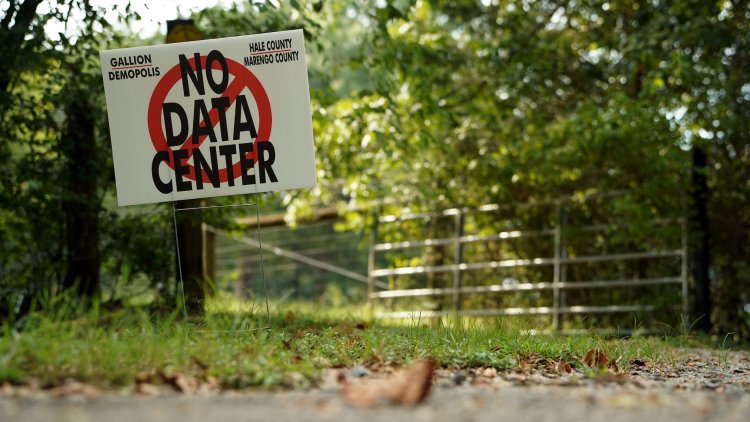
Tensions reached a boiling point in Lenox Township as a standing-room-only crowd packed a sunlit meeting hall to debate a development that, according to official records, does not even exist. The atmosphere was charged with cheers and applause as local residents voiced their frustrations, accusing their township board of prioritizing "faceless developers" over the community’s right to transparent governance. The meeting, set against the backdrop of local soccer fields, highlighted a growing rift between rural officials and the citizens they represent who feel left in the dark.
The controversy centers on a proposed data center development that has prompted a wave of visible opposition throughout the nearby village of New Haven. By August 10, 2026, the streets had become lined with signs opposing the project, reflecting deep-seated anxieties about the impact of massive tech infrastructure on small-town life. Despite the physical evidence of developer interest and the resulting public outcry, the lack of official acknowledgement from the township board has fueled allegations of backroom deals and a total disregard for public input.
This struggle in Michigan mirrors a growing national trend where large-scale tech companies utilize non-disclosure agreements and "ghost" filings to secure land for massive data centers. For residents in growing tech hubs, including those across Alabama, these developments serve as a cautionary tale regarding the balance between economic expansion and community transparency. As the demand for digital infrastructure surges, local governments are increasingly caught between the promise of high-tech tax revenue and their fundamental duty to maintain open dialogue with the taxpayers who will live with the long-term consequences.