
The 'Ozempic Effect' Hits the Altar: How GLP-1 Weight Loss is Reshaping the Bridal Industry
David’s Bridal reports a decline in average dress sizes and a surge in rush alterations as GLP-1 weight-loss medications disrupt the traditional wedding market.
 Ryan Cooper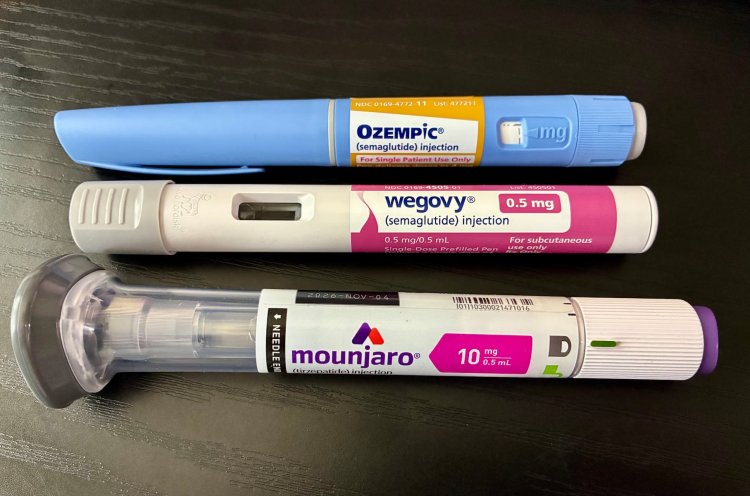
The rise of GLP-1 medications is doing more than just changing health outcomes; it is fundamentally altering the apparel industry, starting at the altar. National retailer David’s Bridal has observed a notable decline in the average wedding dress size across its stores, a trend directly attributed to the increasing use of weight-loss drugs like Ozempic and Wegovy. This shift is forcing retailers to rethink inventory and service models as brides undergo rapid physical transformations during their engagement periods.
According to reports from Retail Dive, the surge in GLP-1 use has led to a significant increase in requests for rush alterations. Brides who purchase gowns months in advance are finding that their measurements change drastically before their wedding date, requiring expert seamstresses to perform complex, last-minute adjustments. For David’s Bridal, which serves a massive demographic of shoppers across the country, this logistical challenge requires a more flexible approach to the traditional wedding planning timeline and a reevaluation of stock sizes.
In regions like Alabama, where wedding traditions are a cornerstone of the social fabric and retail hubs see high traffic, the 'Ozempic effect' is likely to resonate through local shopping centers and independent boutiques alike. The shift suggests a broader trend in the fashion world, where brands must now account for rapid fluctuations in consumer sizing. As these medications become more accessible and prevalent, the apparel industry may need to pivot toward more adjustable designs and enhanced tailoring services to meet the evolving needs of the modern consumer.