An Alabama automaker reported its first annual loss in 70 years: What does it mean?
A big bet on electric vehicles didn't pan out. Now what?
 Chloe Mitchell
The U.S. automotive landscape is shifting, and Honda is feeling the impact. As the country retreats from electric vehicles, the nation's fifth-largest automaker by sales is grappling with a historic financial hurdle: its first annual loss since it became a publicly traded company in 1957.
A Historic Financial Shift
Honda has officially posted a staggering $2.7 billion annual loss. This stands in stark contrast to the previous year, where the company reported profits exceeding $7.5 billion, according to New Atlas. The dramatic turnaround was driven largely by more than $9 billion in write-downs and restructuring charges tied to electric vehicle initiatives.
"The business environment and customer demand have changed beyond our expectations," Honda CEO Toshihiro Mibe explained during a recent Tokyo news conference, as reported by The New York Times. "We were not able to respond flexibly enough."
Strategic Retreat and Market Challenges
The financial strain has forced a significant pivot in Honda's long-term vision. The company is stepping back from its ambitious goal of a full transition to electric and fuel-cell vehicles by 2040, as well as its target for EVs to make up 20% of new-car sales by 2030. Additionally, the automaker has placed its $10.4 billion plan for EV and battery manufacturing in Canada on hold.
Market conditions have proven difficult. With the Trump Administration ending EV tax incentives, consumer interest has softened. While Honda executives previously projected that EVs would capture 15% of the U.S. market, The Wall Street Journal reports that the actual figure is closer to 6%. Notably, sales of the Honda Prologue plummeted by approximately 86% last year. These challenges are being felt industry-wide, with competitors like Mercedes-Benz also adjusting their EV strategies to offer a broader range of consumer choices.
Looking Ahead
Despite the current climate and additional pressure from new tariffs introduced by the Trump Administration, Honda maintains a path toward recovery. The company previously alerted investors to expect up to $15.7 billion in EV-related expenses, and leadership is already targeting a return to profitability by next March. The plan involves introducing 15 gasoline-electric hybrid models by 2030, supported by aggressive cost-cutting measures, with a forecast of a $1.7 billion profit for next year.
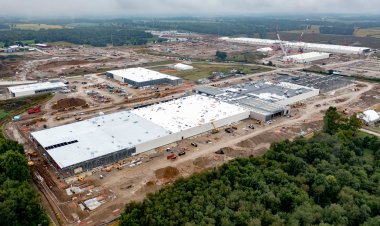
In Alabama, the Lincoln manufacturing plant remains a critical piece of the Honda network. The 4.9 million-square-foot facility, which has received over $3.1 billion in investment, employs more than 4,500 workers. Since launching in 2001, the plant has produced over 6.5 million vehicles and currently maintains an annual capacity of more than 350,000 units, including the Passport, Pilot, Odyssey, Ridgeline, and TrailSport models.