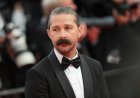
TV legend will never stop apologizing for 1993 blackface performance: ‘I thought I was being edgy’
He said he thought “this white guy could have something valuable to say about race ... so arrogant and stupid on my part.”
 Liam Carter
Television icon Ted Danson is reflecting on one of the most controversial moments of his career. More than three decades after his infamous 1993 roast of Whoopi Goldberg, the Cheers and The Good Place star says he remains committed to apologizing for his use of blackface during the event.
A Regretful Performance
Danson discussed the incident during a candid conversation on W. Kamau Bell’s podcast “Who’s With Me?”. The roast, held at the New York Friars Club while Danson and Goldberg were romantically involved, became a firestorm of controversy. The set included racial slurs and inappropriate jokes about the couple's private life, sparking immediate backlash from both the audience and public figures like David N. Dinkins, the first Black mayor of New York City.
“I need to and want to apologize for the rest of my life,” Danson stated on the podcast. “Because somebody today can go on the internet and go, ‘What the f..k? Wow, I feel betrayed, I feel angry.’ And I did that.”
The Mindset Behind the Mistake
Danson explained that he was searching for a way to roast Goldberg, whom he described as one of the most “outrageous, funny Black women in the world,” without being a seasoned stand-up comic. Believing he was creating a satire on interracial relationships, he opted to perform in blackface, mistakenly thinking it gave him “license” to say certain things. He now views that decision as “so arrogant and stupid.”
“I thought I was being edgy,” he admitted. “Within 20 seconds, I was like, ‘I stuck my finger in a light socket.’”
Focusing on Impact Over Intent
While Danson previously justified his actions by noting he had no malicious intent, he told Bell that he has moved past that perspective. “Your intentions do not matter. The impact you have on people is what matters,” he said. He further expressed regret for dragging Goldberg back into the public conversation about the event, acknowledging that she had once defended him by claiming she helped write the material and that they were simply trying to be funny for themselves.
As 205focus.com notes, the conversation highlights a long-standing point of reflection for the actor, who concludes that his past arrogance in believing he had anything valuable to say regarding race was fundamentally wrong and hurtful.